loader image

Gishwati Mukura National Park Rwanda: Forest and Primate Adventures

Explore Gishwati Mukura National Park Rwanda, a remarkable protected rainforest where scenic mountain landscapes, diverse wildlife and community-led conservation come together. Follow experienced guides through lush forest in search of chimpanzees, golden monkeys, L’Hoest’s monkeys, colourful birds and beautiful waterfalls. With fewer visitors and an intimate natural setting, the park offers an authentic escape for travellers seeking wildlife, adventure and meaningful connections with Rwanda’s environment and local communities.

Gishwati Mukura Hiking and Top Forest Activities
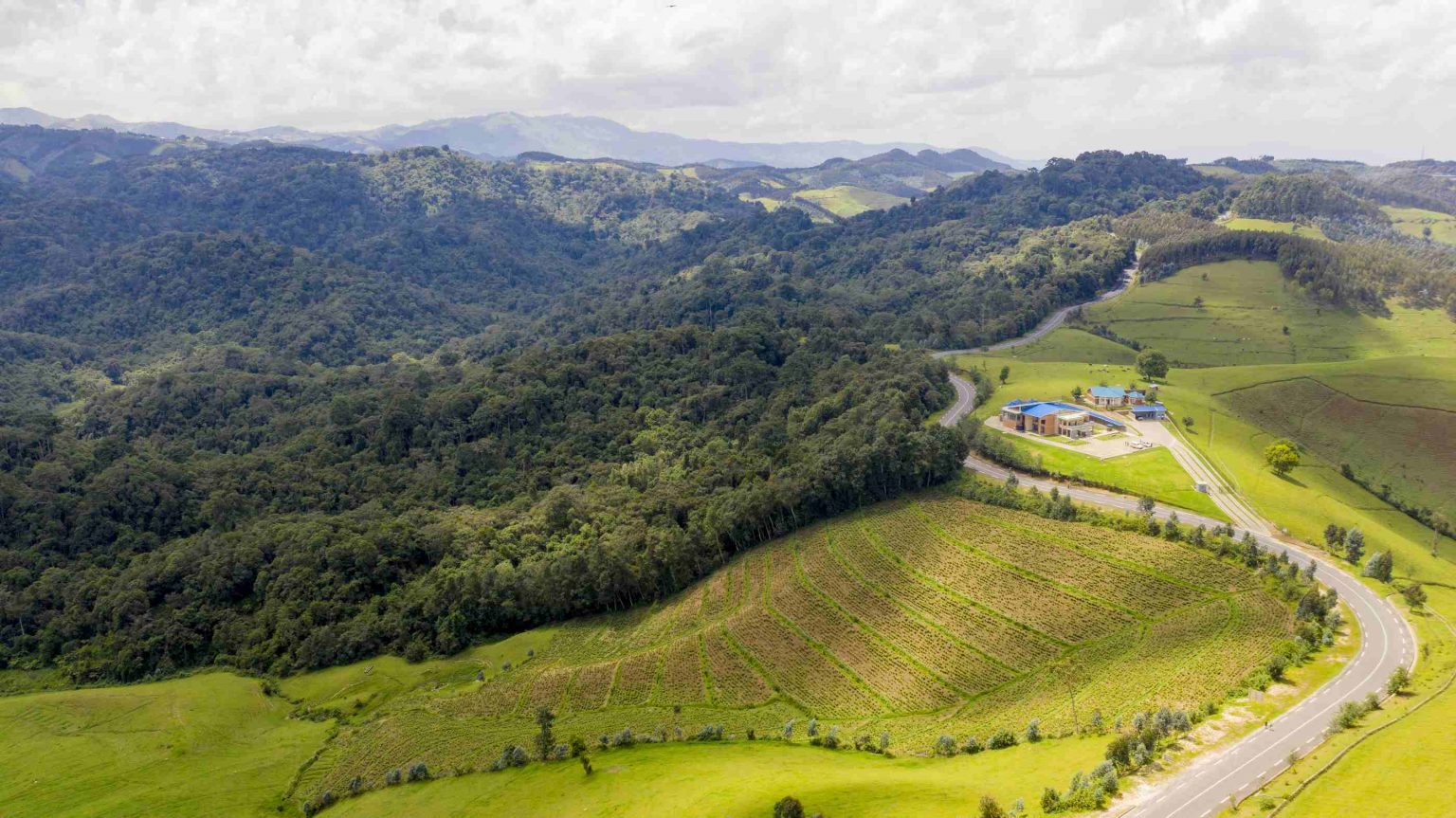
Experience Gishwati Mukura hiking on guided trails leading beneath tall trees, across green hills and through wildlife-rich forest habitats. Popular Gishwati National Park activities include primate tracking, birdwatching, nature walks, waterfall visits and cultural encounters with surrounding communities. Visitors can also learn about traditional crafts, beekeeping, tea production and local conservation initiatives, creating a rewarding journey that combines nature, wildlife and Rwandan culture.
Park Overview

About Gishwati Mukura National Park

The fourth national park in Rwanda, Gishwati Mukura, is composed of two distinct forests – Gishwati, which is larger, and Mukura, which is smaller. The two forests cover a total area of 34 square kilometers, and there is also a buffer zone included. The forests are situated on a ridge that separates the Congo and Nile water catchment areas in the Albertine Rift region in the west of Rwanda. The forests are made up of 60 different species of trees, including native hardwoods and bamboo.

Gishwati is the dwelling place of a troop of 20 chimpanzees who coexist with golden monkeys, L’Hoest’s monkeys, and blue monkeys. There is also a rich variety of bird species, with 232 species observed at Gishwati and 163 species at Mukura, some of which are Albertine Rift Endemic species and forest specialists.

In 2019, activities within the park commenced, which includes guided nature hikes, guided tracking of chimps and monkeys, bird watching, and trips to the waterfalls.

The area was almost exhausted because of various reasons such as resettlement, unlawful mining in the mineral-rich forest, and livestock farming. The formal declaration of the region as a National Park in 2015 aims to address this issue by increasing the number of trees to enhance soil fertility, stabilize slopes, and regulate stream flow. This move is expected to improve the livelihoods of people living in the surrounding areas, and consequently increase the forest’s chances of regeneration, while also providing potential for long-term improvement in living standards.

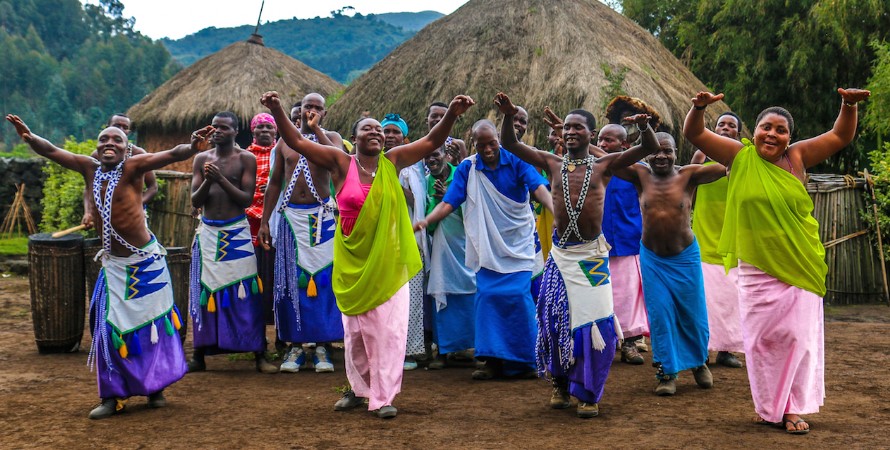
The community-based activities that are available in the area include a farm stay, live cultural dance performances, handicraft-making, beekeeping, tea plantation tours, and opportunities to learn from traditional healers who use natural plants to supplement modern medicine and synthesized drugs.

Gishwati Mukura

Bird Watching

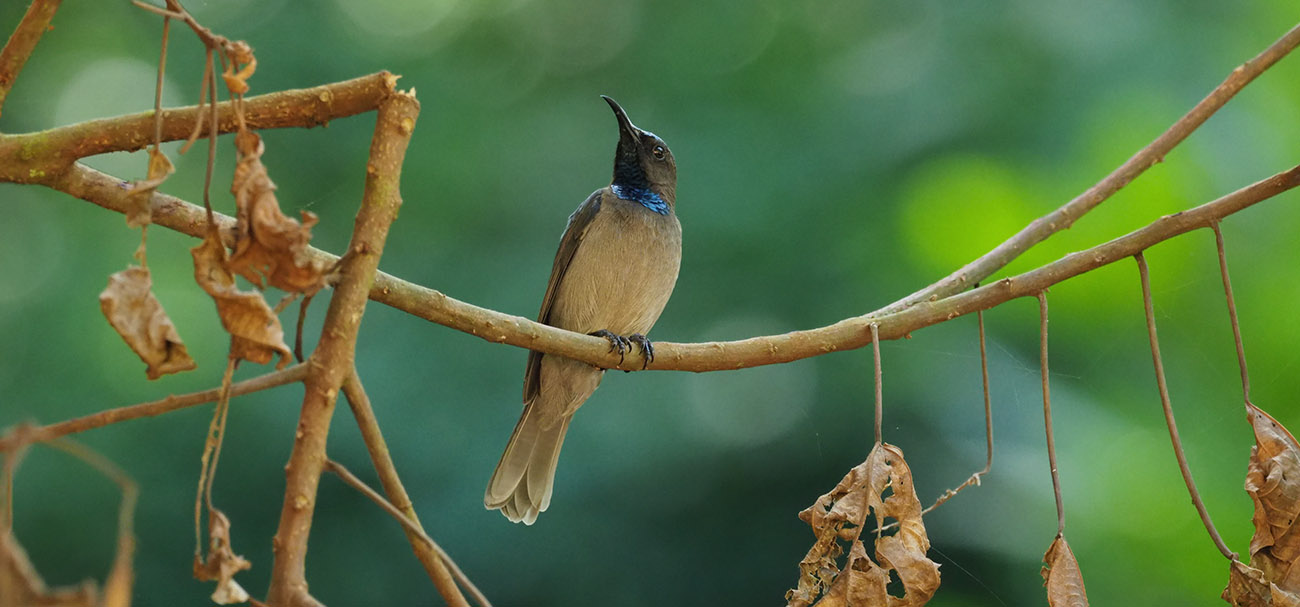
This park is among the top birding spots of Rwanda, birding can be done on foot through the jungle, over 84 bird species stay there. It being small is an added advantage to birding since it makes it easy to watch birds.
Bird Watching
Gishwati Mukura

Cultural Experiences

Since the Gishwati-Mukura was occupied by people, as the government and other conservationists tried to revive it again, they had to come up with ways in which the surrounding communities could benefit from tourism hence coming up with products such as traditional healing, dance and drama, and handicraft making.
Gishwati Mukura

Nature Walks and Hiking

There are a number of trails in the park which are used for guided walks and hiking by tourists through the forests. This gives visitors a great view of the beauty of this park while on foot and also some hidden wildlife like butterflies and birds can be spotted during hikes.
FAQs

Frequently Asked Questions

Find answers to your questions before joining a tour so that you can find out exactly what you want to know.
1. What is Gishwati-Mukura National Park in Rwanda known for?
Gishwati-Mukura National Park is Rwanda’s newest and fourth national park, known for chimpanzee tracking, golden monkeys, birdwatching and the restoration of its once-degraded montane rainforest. The park is also home to L’Hoest’s monkeys, blue monkeys and several Albertine Rift bird species. Visitors can enjoy guided forest hikes, primate tracking, waterfall visits and selected community experiences. As visitor access and activity spaces are limited, early booking is essential, especially for chimpanzee tracking.
No, walk-in guests cannot be accommodated in Gishwati–Mukura National Park. All visits must be booked in advance and include an overnight stay. Ikaze Rwanda Tours & Travel can arrange the required park permits, accommodation, transportation and other travel logistics. Guests travel to the park in our 4×4 safari vehicles, helping ensure a comfortable and well-organised journey.
The park is home to chimpanzees, golden monkeys, L’Hoest’s monkeys and blue monkeys. Primate sightings cannot be guaranteed because the animals move freely through the forest, but travelling with an experienced guide improves the opportunity to identify calls, tracks and feeding areas.
4. Is Gishwati–Mukura National Park good for birdwatching?
Yes. The park is an attractive destination for birdwatchers because its forests support Albertine Rift endemic species and other specialised forest birds. Guided birding walks provide opportunities to explore the habitat on foot while learning how to recognise different species by their appearance and calls.
Yes. Gishwati–Mukura can be included in a western Rwanda itinerary with Rubavu, Karongi or other Lake Kivu destinations. Combining the forest with Lake Kivu allows travellers to enjoy guided hiking and wildlife encounters followed by boat trips, lakeside scenery and relaxation.