
Rwanda Ethnographic Museum in Huye, Butare
Step into Rwanda’s rich cultural story at the Rwanda Ethnographic Museum in Huye, Butare. Explore fascinating collections that reveal how Rwandans traditionally lived, worked, built their homes, created art and passed knowledge between generations. From handcrafted baskets and pottery to farming tools, clothing and architectural displays, this rewarding cultural attraction offers travellers a deeper connection to Rwanda’s identity and heritage.
Ikaze Rwanda Tours & Travel can arrange day trips from Kigali to the Huye Ethnographic Museum with just 24-hour advance notice.

Explore the National Museum of Rwanda and Its Cultural Exhibits
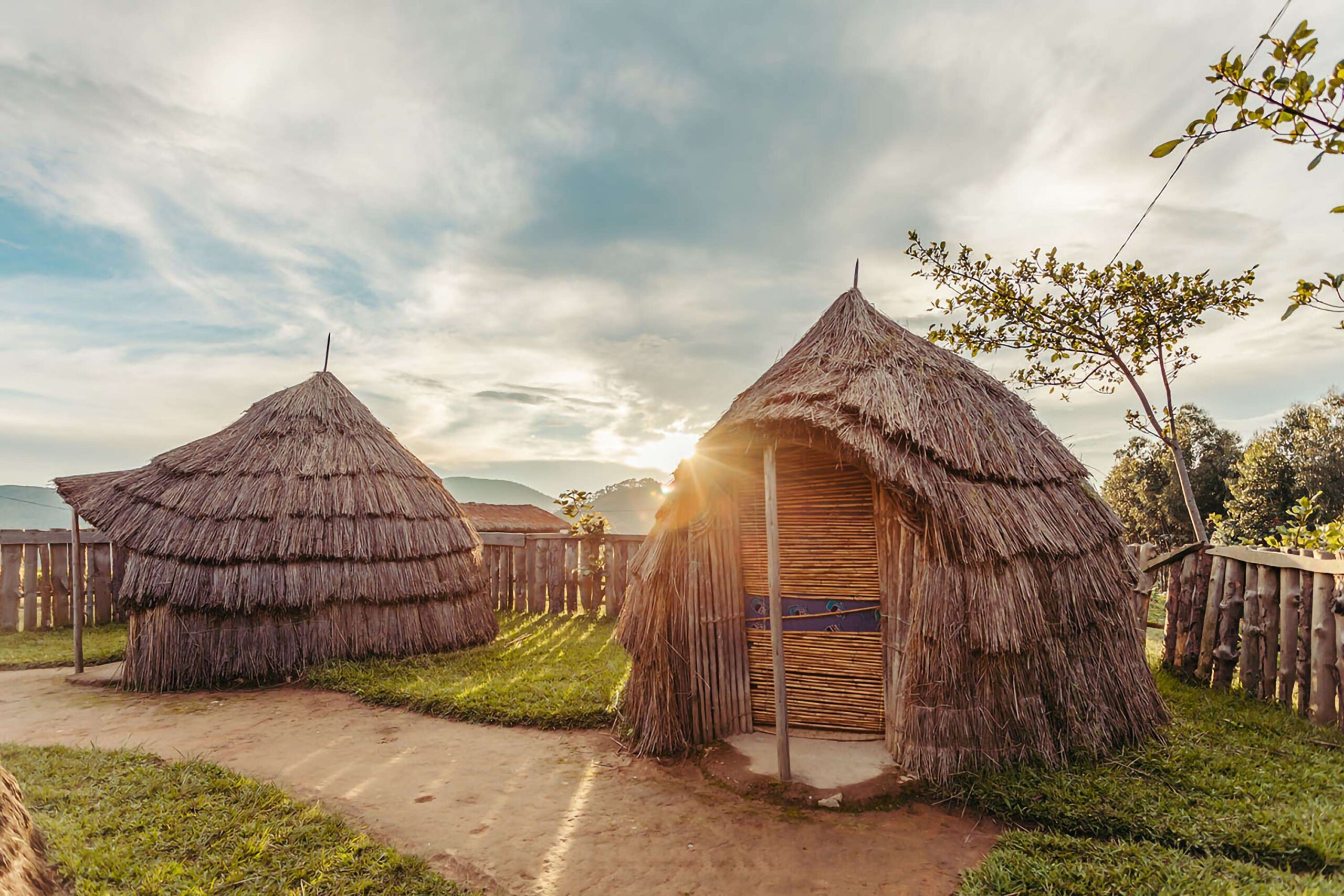
Formerly known as the National Museum of Rwanda, this important Huye attraction takes visitors through a carefully arranged journey covering the country’s geography, archaeology, traditional livelihoods, craftsmanship and social customs. The diverse Ethnographic Museum Rwanda exhibits include pottery, weaving, woodwork, agricultural tools, traditional clothing, architectural models and displays explaining the cultural importance of cattle, oral traditions and historic beliefs.
Museum Overview
About The Huye Ethnographic Museum
The Ethnographic Museum, located in Huye, Southern Province of Rwanda, houses one of
Africa’s finest ethnographic collections. Seven galleries display historical, ethnographic, artistic
and archaeological artifacts accompanied by visual aids, giving visitors a rich insight into
Rwandan culture. The exhibits open with geographical and geological displays, moving on
to items used in hunting, agriculture, animal husbandry, pottery, weaving and woodwork.
Traditional clothing and architectural methods are also illustrated, as well as the social
importance of cattle.
FAQs
Frequently Asked Questions
Find answers to your questions before joining a tour so that you can find out exactly what you want to know.
1. Where is the Rwanda Ethnographic Museum located?
The Rwanda Ethnographic Museum is located in Huye District in Rwanda’s Southern Province. Huye was formerly widely known as Butare, which is why travellers may find the attraction described as either the Ethnographic Museum Huye or the National Museum in Butare. The museum is approximately 130 km south of Kigali and can be reached by road in around 2 to 2.5 hours, depending on traffic and road conditions.
2. Is the Ethnographic Museum the same as the National Museum of Rwanda?
Yes. The Ethnographic Museum was formerly called the National Museum of Rwanda. Today, it remains one of the country’s most important places for learning about Rwanda’s cultural, social and historical heritage.
3. What can visitors see among the Ethnographic Museum Rwanda exhibits?
The Ethnographic Museum Rwanda exhibits cover geography, geology, archaeology, hunting, agriculture, animal husbandry, pottery, basket weaving and woodwork. Visitors can also learn about traditional clothing, Rwandan architecture, cattle culture, customs, poetry, oral traditions and historic belief systems.
4. Are cultural craft activities available at the museum?
The museum has a traditional handicraft centre, and cultural activities may include practical experiences connected with beading, weaving and ceramics. These experiences help visitors understand how traditional knowledge and artistic skills continue to be preserved and shared within Rwanda. Availability should be confirmed when planning your visit.
5. Can the museum be included in a wider Rwanda itinerary?
Yes. A visit can be added to a Southern Rwanda cultural tour or included while travelling between Kigali and Nyungwe National Park. It can also be combined with the King’s Palace Museum in nearby Nyanza for a broader introduction to Rwanda’s traditional life, monarchy and cultural history.